


 Written by - admin
 Introduction
A missed period is often the earliest and most noticeable sign of pregnancy. However, it is not always a definitive confirmation. Factors such as stress, hormonal imbalances, sudden weight changes, excessive exercise, or underlying medical conditions can also delay your menstrual cycle.
If you suspect pregnancy, it is essential to take the right steps at the right time. Early confirmation allows you to begin prenatal care, make necessary lifestyle adjustments, and ensure a healthy start for both you and your baby. This guide walks you through everything you need to know—from testing and symptoms to medical care and early scans.
Confirming Pregnancy
When to Take a Pregnancy Test
Timing plays a crucial role in obtaining accurate results. Pregnancy tests detect the hormone human chorionic gonadotropin (hCG), which starts increasing after implantation.
- The best time to test is 1–2 days after a missed period
- For more accurate results, test one week after your missed period
- Use the first urine in the morning, as it contains the highest concentration of hCG
Testing too early can result in a false negative, which may cause confusion and unnecessary stress.
Types of Pregnancy Tests (Home vs Blood Test)
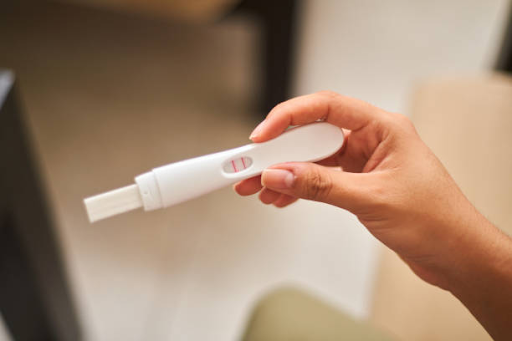
1. Home Pregnancy Test (Urine Test)
- Ideal for initial testing at home
- Easily available over the counter
- Provides results within minutes
- Detects hCG in urine
2. Blood Test (Clinical Test)
- Conducted at a healthcare facility
- Detects even very low levels of hCG
- Can confirm pregnancy earlier than urine tests
- Helps monitor hormone levels over time

How Accurate Are Early Tests?
- Most home pregnancy tests are up to 99% accurate when used after a missed period
- Blood tests are more sensitive and reliable, especially in early detection
- Accuracy depends on correct usage, timing, and individual hormone levels
If results are unclear, repeating the test after a few days is recommended.
Early Signs of Pregnancy
Common Symptoms to Watch For
Early pregnancy symptoms vary from person to person, but common signs include:
- Missed period
- Nausea or vomiting (morning sickness)
- Breast tenderness or swelling
- Fatigue and tiredness
- Frequent urination
- Mood swings
- Food cravings or aversions
- Light spotting (implantation bleeding)
When Symptoms May Appear
- Some women notice symptoms within 1–2 weeks after conception
- Others may not experience symptoms until 4–6 weeks into pregnancy
- In some cases, symptoms may be very mild or absent
Every pregnancy is unique, so the absence of symptoms does not rule out pregnancy.
What to Do After a Positive Test
Schedule Your First Doctor Visit
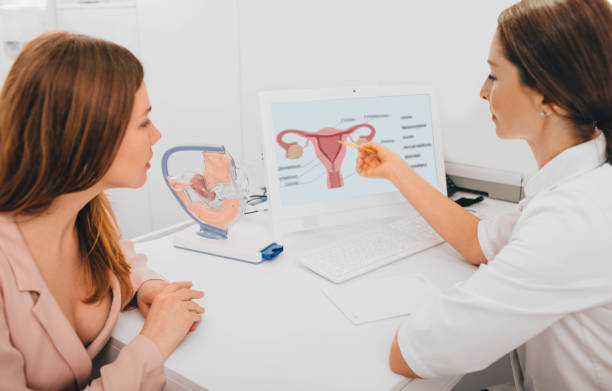
Once you receive a positive result, consult a healthcare provider to confirm pregnancy and begin medical care. During your first visit, the doctor may:
- Confirm pregnancy through blood tests or an ultrasound
- Estimate gestational age
- Review your medical history
- Guide diet, medications, and lifestyle

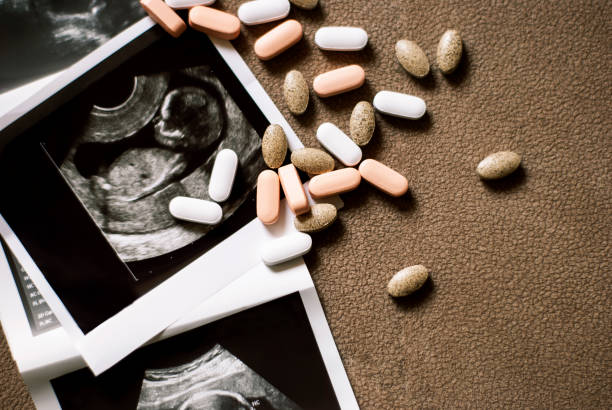
Start Prenatal Vitamins
Prenatal vitamins are essential for fetal development, especially in early pregnancy.
Key nutrients include the following:
- Folic Acid: Prevents neural tube defects
- Iron: Supports blood production
- Calcium: Strengthens bones and teeth
- Vitamin D: Aids calcium absorption
Starting supplements early ensures proper development from the beginning.
Lifestyle Changes to Consider
Making healthy lifestyle choices is crucial:
- Avoid alcohol, smoking, and drugs
- Limit caffeine intake (generally under 200 mg/day)
- Eat a balanced diet rich in fruits, vegetables, and protein
- Stay hydrated
- Get adequate rest and sleep
- Engage in light physical activity if advised
What If the Test Is Negative?
Possible Reasons for a Missed Period
A negative result does not always mean you are not pregnant. Possible reasons include the following:
- Testing too early
- Irregular menstrual cycle
- Stress or anxiety
- Hormonal imbalances
- Sudden weight loss or gain
- Polycystic Ovary Syndrome (PCOS)
- Thyroid disorders
When to Retest or Consult a Doctor
- Retest after 3–5 days if your period still hasn’t started
- Consult a doctor if:
- Your period is delayed by more than one week
- You experience unusual symptoms
- You have a history of irregular cycles
Important Health Checks
Blood Tests and Initial Screenings
Once pregnancy is confirmed, doctors may recommend the following:
- hCG level testing
- Blood group and Rh factor
- Hemoglobin levels
- Screening for infections
Tracking Hormone Levels
Monitoring hCG levels helps assess pregnancy progression. In early pregnancy:
- hCG levels typically double every 48–72 hours
- Abnormal levels may indicate potential complications
Understanding Scans in Early Pregnancy
Why Early Pregnancy Scans Are Important
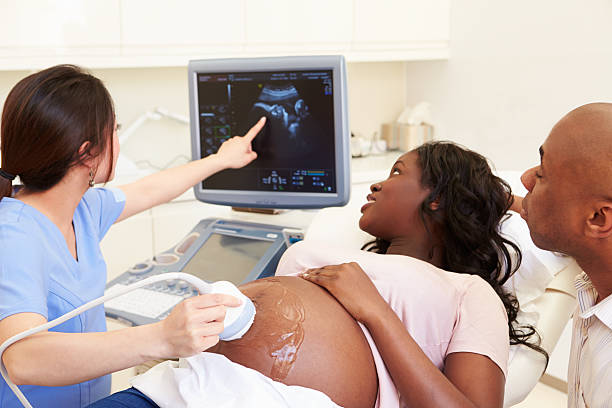
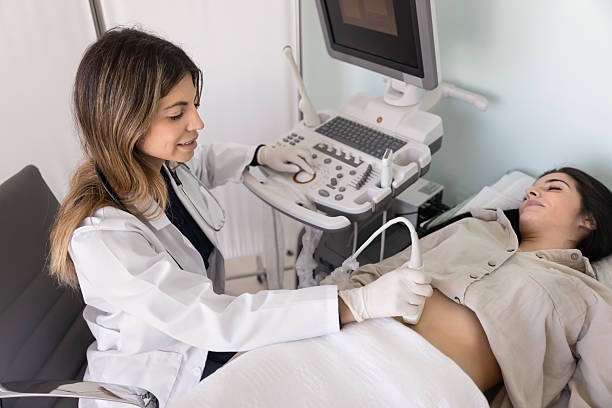
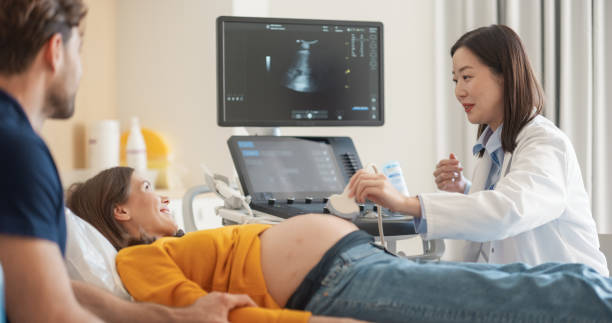
Ultrasound scans play a key role in early pregnancy by:
- Confirming the pregnancy location (intrauterine vs ectopic)
- Detecting fetal heartbeat
- Estimating gestational age
- Identifying multiple pregnancies
- Checking for early complications
When Is the First Scan Usually Done?
The first ultrasound scan is usually performed between 6 and 8 weeks of pregnancy. In some cases, it may be done earlier if there are concerns.
What Can Be Seen in an Early Scan?
Depending on the stage of pregnancy, an ultrasound may show the following:
- Gestational sac
- Yolk sac
- Fetal pole
- Cardiac activity (heartbeat)
Types of Early Pregnancy Scans
Dating Scan
- Determines the exact age of the pregnancy
- Helps calculate the expected due date
Viability Scan
- Confirms that the pregnancy is developing normally
- Checks for fetal heartbeat
Early Reassurance Scan
- Recommended for women with previous miscarriages or complications
- Provides peace of mind in early weeks
Do You Need an Early Scan
Not all pregnancies require an early scan. However, it is recommended if:
- You experience pain or bleeding
- You have a history of miscarriage
- You underwent fertility treatments
- There is uncertainty about pregnancy dates
Warning Signs to Watch Out For
Seek immediate medical attention if you notice:
- Heavy vaginal bleeding
- Severe abdominal or pelvic pain
- Persistent dizziness or fainting
- High fever
- Severe vomiting or dehydration
These symptoms may indicate complications that require urgent care.
Final Thoughts
Missing a period can be both exciting and overwhelming. Taking timely action, such as confirming pregnancy, consulting a doctor, and adopting a healthy lifestyle, ensures a smoother journey ahead.
Early pregnancy care plays a crucial role in the health of both mother and baby. Staying informed, proactive, and attentive to your body can make a significant difference in your overall experience.
FAQs
You can take a home pregnancy test immediately after a missed period, but waiting a few days improves accuracy.
Yes, some women experience early symptoms due to hormonal changes even before a missed period.
A faint line usually indicates pregnancy. Repeat the test after 2–3 days or consult a doctor.
Light spotting can occur due to implantation, but heavy bleeding should be checked by a doctor.
Ideally, within the first 6–8 weeks of pregnancy.
Yes, stress can affect hormonal balance and delay menstruation.
Avoid raw foods, unpasteurized dairy, excessive caffeine, and alcohol.